What we intend to build
Western armed forces and civilian defence need equipment they can obtain in useful quantities and modify when an opponent finds a way around it. That requires engineering teams, component suppliers, test arrangements and manufacturing methods that are ready before a crisis.
We are building Weirding around that work. Our projects combine existing components with our own software and hardware. We intend to reuse the parts that remain useful and change the parts that no longer meet the requirement.
For example, a new sensing method should not require us to redesign a station’s battery system, enclosure and mapping software. Separating those parts and reusing them as-is in all devices that need them can reduce the work and manufacturing delays involved in an update.
Our work today
We have started building a distributed drone-detection system for protecting civilian perimeters: airports, detention facilities, large events.
We also want to discuss the requirements for much larger deployments, including entire borders.
The Drone Wall page describes this work. Future Directions contains proposed follow-on projects, including deployable fabrication.
Where the approach comes from
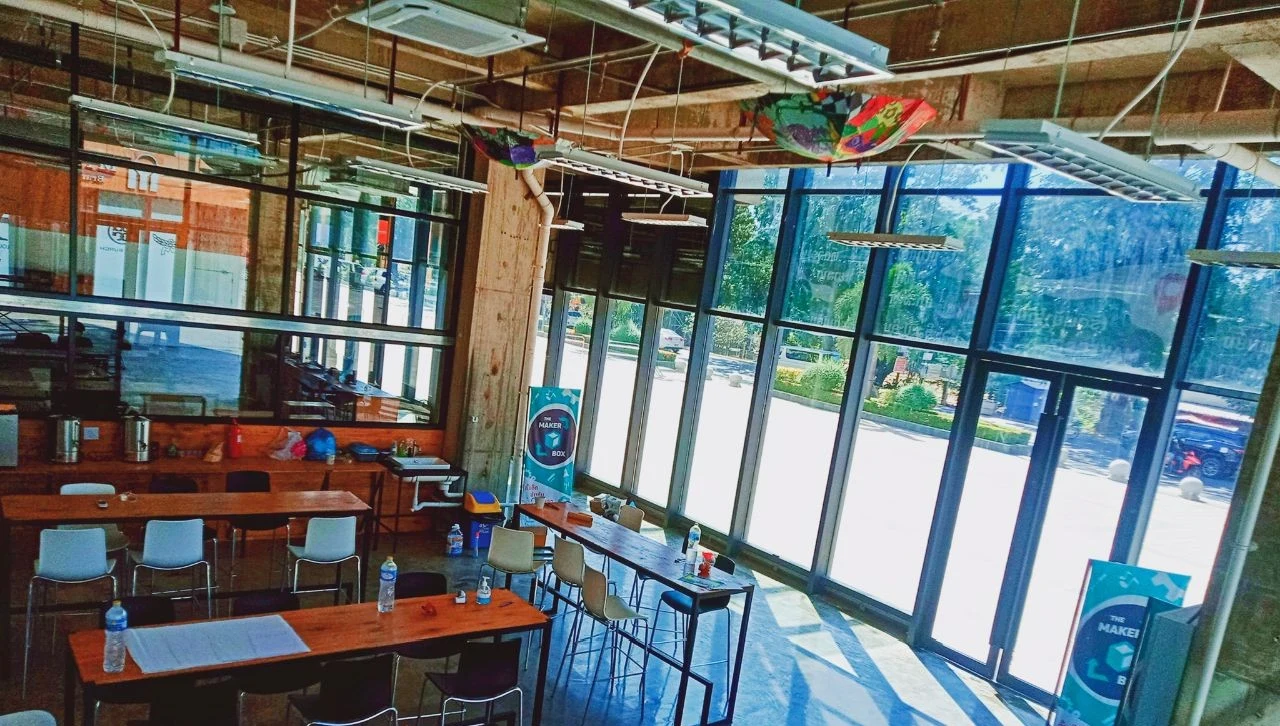
The lab draws on experience in software, embedded systems and building physical equipment with limited resources. In Laos, Arthur co-founded Makerbox and worked on connected farming equipment, handling design, procurement and installation with local collaborators.
Later work in software architecture and geospatial intelligence brought experience with larger data systems. Weirding brings those interests together around the defence of Europe and its allies.